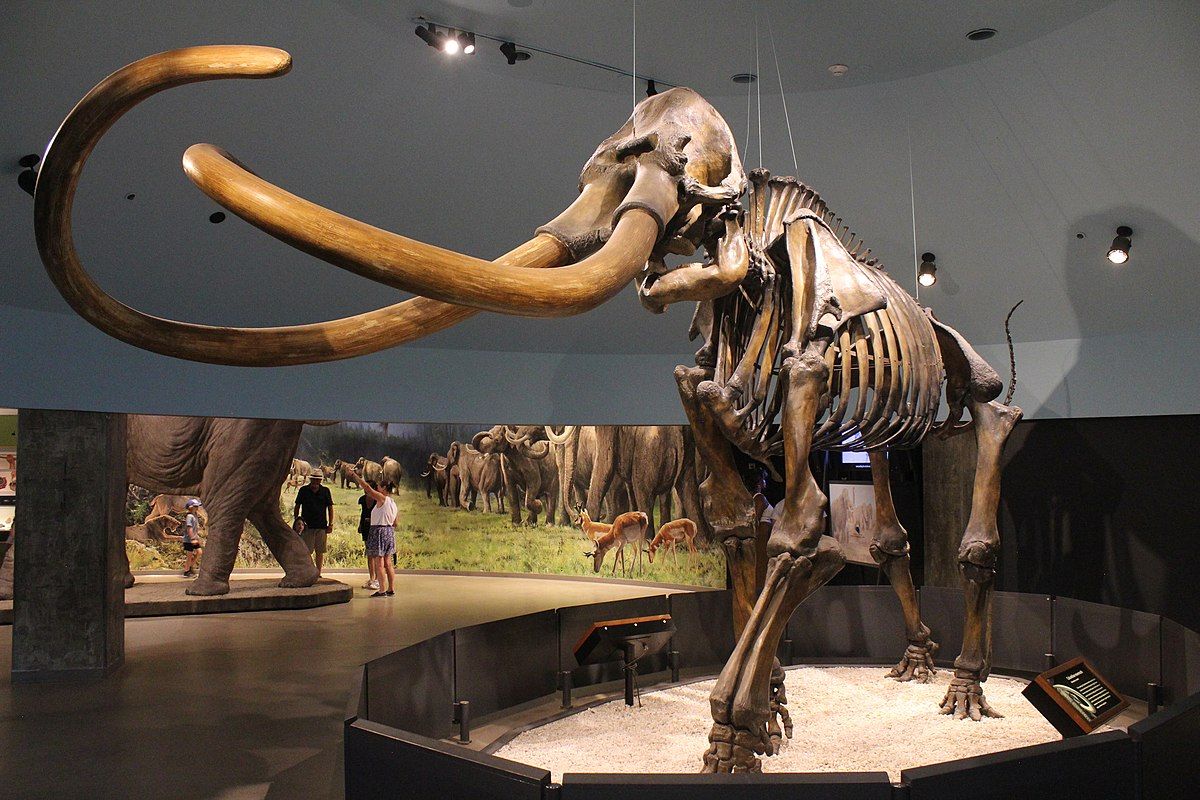
It could sound like the plot of a science fiction novel, but the re-birth of the long-extinct woolly mammoth is turning into a reality, thanks to the ambitious team at Colossal, a biotech firm. By 2027, with the aid of pioneering gene-editing tools, we may just witness the remarkable return of these ancient, cold-resistant giants.
Colossal, operating out of Dallas, secured an impressive additional $60 million in funding last year, to accelerate their groundbreaking research initiated in 2021. Their goal? No less than the re-engineering of extinct DNA, in a bid to bring back this storybook beast.
More than just a dazzling scientific achievement, the mammoth’s return is part of a larger vision to combat climate change. The reintroduced mammoths would inhabit ecosystems they once roamed, potentially providing balance and more resilience against the ongoing climate crisis.
The woolly mammoth, with its mammoth migration routes, played a crucial role in sustaining the health of the Arctic region. Therefore, resurrecting this magnificent creature could have significant positive implications for the wellbeing of our global ecosystem. Colossal acknowledges this fact and initially intended to reintroduce the creature in Siberia. However, due to the contemporary political context, the company is now open to exploring alternative options.
The DNA of the woolly mammoth remarkably shares a 99.6% match with that of the Asian elephant. This promises immense possibilities and inspires Colossal to persist in their mission. Many assume that this remarkable creature is lost to us forever, but our scientists dare to think otherwise.
As Colossal states, “We refuse to submit to this assumption. We envision a future where the Woolly Mammoth is not only a part of our past but also our present. Our dedicated teams have already obtained viable DNA samples and have begun editing genes, setting us on the path to achieving our ambitious goal. We dream of a time when the Arctic will once again echo with the thunderous footsteps of these majestic creatures.”
Through the application of gene editing techniques, researchers at Colossal are working towards developing an embryo for a woolly mammoth. This embryo will then be implanted into an African elephant—an ideal surrogate due to its substantial size. The aim is to deliver a live woolly mammoth which will ultimately help to repopulate parts of the Arctic, while concurrently reinforcing local flora due to its migratory and eating behaviors.
Given the successful resurrection of the woolly mammoth, and potentially the thylacine – also referred to as the Tasmanian tiger, we can anticipate a host of new ethical debates surrounding the management of the resuscitated species, and potential issues concerning its reintegration.
[sourcelink link=”https://www.popularmechanics.com/science/animals/a42708517/scientists-reincarnating-woolly-mammoth/”]