Genetic engineering has been utilized for the first time to cause “virgin birth” in female animals that typically require a male partner to reproduce.
In the past, scientists have produced baby frogs and mice without the genetic input of a male father. But rather than enabling virgin birth, popularly known as parthenogenesis, in female animals, those babies were created by manipulating with egg cells in laboratory dishes.
According to study co-author Alexis Sperling, a developmental biologist at the University of Cambridge, UK, earlier studies had found potential parthenogenesis-related genes. However, she claims that her team not only identified these genes but also verified their functionality by turning them on in a different species.
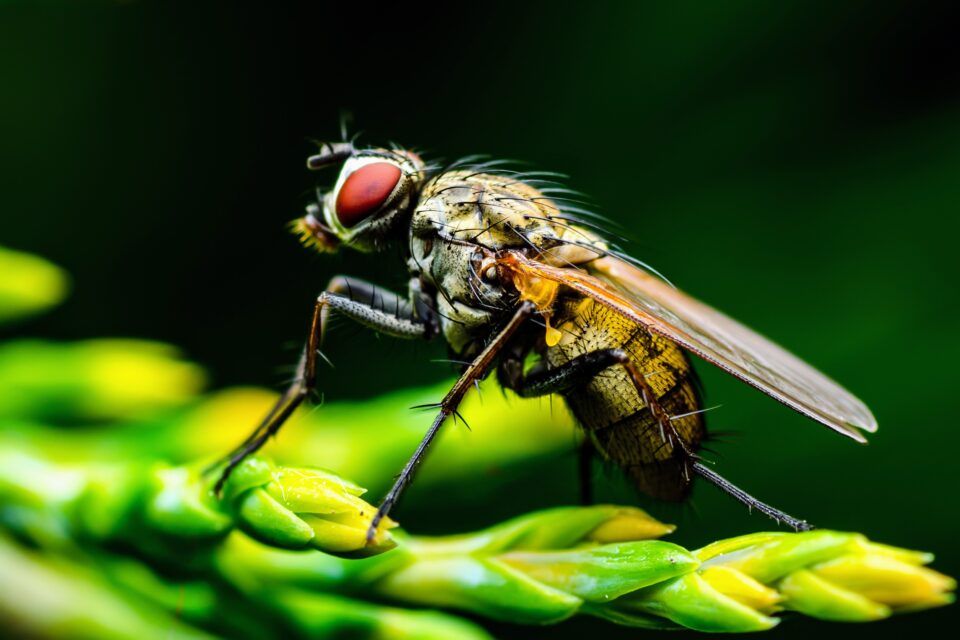
The fruit fly Drosophila melanogaster was the primary subject of the investigation. The scientists showed that successive generations of female flies can inherit the induced capacity for parthenogenesis.
The majority of animals reproduce sexually, which entails the fertilization of a female’s egg by a male’s sperm. In contrast, parthenogenesis enables the development of an embryo from an egg without the requirement of sperm. As a result, male are no longer required in the reproduction process.
The best reproductive strategy is parthenogenesis. Tanja Schwander, an evolutionary scientist at the University of Lausanne in Switzerland who has examined parthenogenesis in stick insects, asserts that having sex is extremely complex in animals. Biologists can better comprehend the advantages and disadvantages of sexual reproduction, according to her, by studying parthenogenesis.
[sourcelink link=”https://www.telegraph.co.uk/news/2023/07/28/first-virgin-births-induced-save-endangered-species/”]