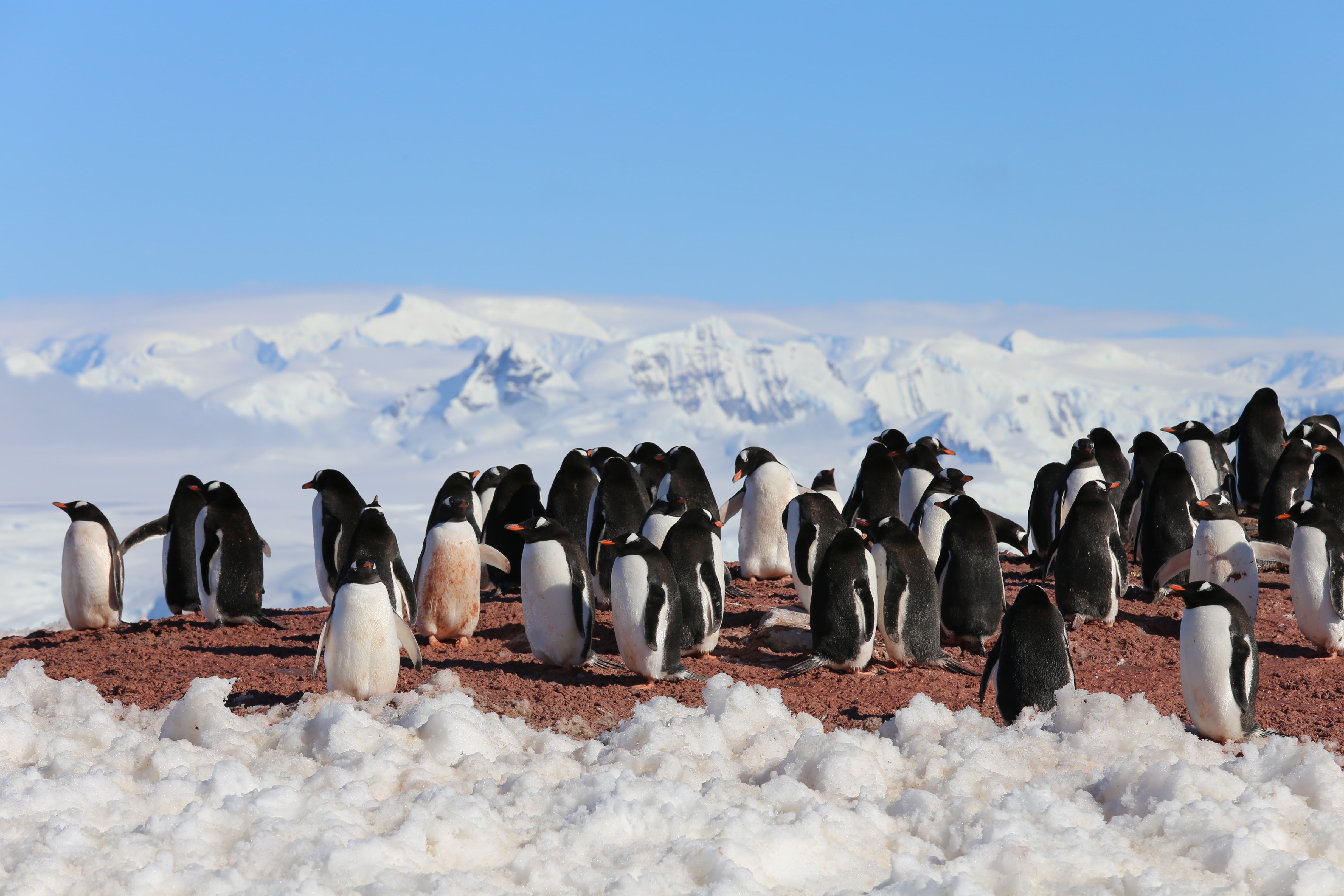
A novel research has revealed a heartrending fact; a staggering number of adorable baby emperor penguins lost their lives in Antarctica last year due to the untimely breakup of sea ice. The British Antarctic Survey attributes the demise of these helpless creatures, who never had a fair chance at life, chiefly to climate change. Their findings, supported by data from satellite images, posit that as many as 10,000 innocent, baby penguins might have drowned.
It is significant to note that emperor penguins are not only the mightiest among its 18 species kin, but also rank among the largest of all bird species. Nonetheless, even the mightiest suffer at the hand of climate instability.
The culminated data gleaned from the European Union’s Sentinel-2 satellites, and studied meticulously by British scientists, signaled a distressing mass mortality of the offspring of these majestic birds.
What’s more, the research illuminates a rather bleak reality – a shocking “catastrophic breeding failure” in four out of five emperor penguin colonies situated in the Bellingshausen Sea, nearby the Antarctic Peninsula, towards the culmination of the previous year. The survival of these majestic creatures is in jeopardy unless immediate actions are taken to curb climate change.
For the first time in recorded history, we are witnessing a significant regional breeding failure among Emperor penguins.
This catastrophe is directly attributable to rising ocean temperatures, causing the early melting of sea ice. Tragically, this phenomenon is leading to the death of penguin chicks, who are not yet prepared to survive such harsh conditions. When global warming triggers early ice break-up, these innocent creatures fall into the icy water, where they subsequently freeze or drown.
This alarming event was documented in a study released on Friday by the British Antarctic Survey – our nation’s leading polar research institute, providing objective, fact-based evidence. The findings reveal in no uncertain terms the real and present danger of climate change. You’ll find the study published in the reputable journal, Communications Earth & Environment.
Let’s not ignore the harsh realities of these warming seas. The time to act is now, for the sake of these penguins, and the many other species directly impacted by our changing climate.
[sourcelink link=”https://www.bbc.com/news/science-environment-66492767″]