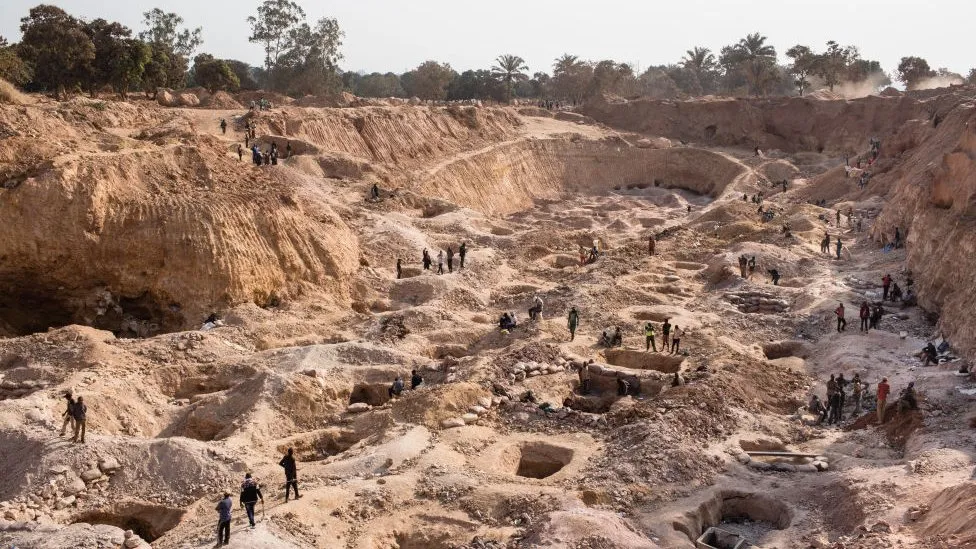
According to the BBC’s report, the trade commissioner for the African Union said that Africa would not agree that it “should just continue to be a source of raw materials” for the rest of the world.
Instead, according to Albert Muchanga, his continent wants to have “genuine and mutually beneficial relationships” with its trading partners in the future.
The invitation to the G7 conference in Japan for the AU chair coincides with escalating rivalry between China and Africa for the continent’s natural resources.
In the lead-up to the summit, the leaders of France and Germany, as well as the US vice president, visited a number of African nations in an effort to strengthen trade ties with the region.
Fumio Kishida, the prime minister of Japan, traveled to Egypt, Ghana, Kenya, and Mozambique at the beginning of this month in an effort to gain support from the continent for his initiatives to oppose Chinese and Russian influence there as well as in respect to Taiwan and Ukraine.
On May 4, he stated in Maputo: “Many nations in the so-called Global South are harmed and struggling as a result of the high cost of food and energy. Russia’s invasion of Ukraine should be considered the root source of this problem.
Mr. Muchanga applauds the acknowledgement of Africa’s issues. He claims that the Covid pandemic’s disruption is also responsible for issues that are “multi-dimensional”.
“It’s a recognition of that the North and the South want deeper interdependence, and it’s welcome.”
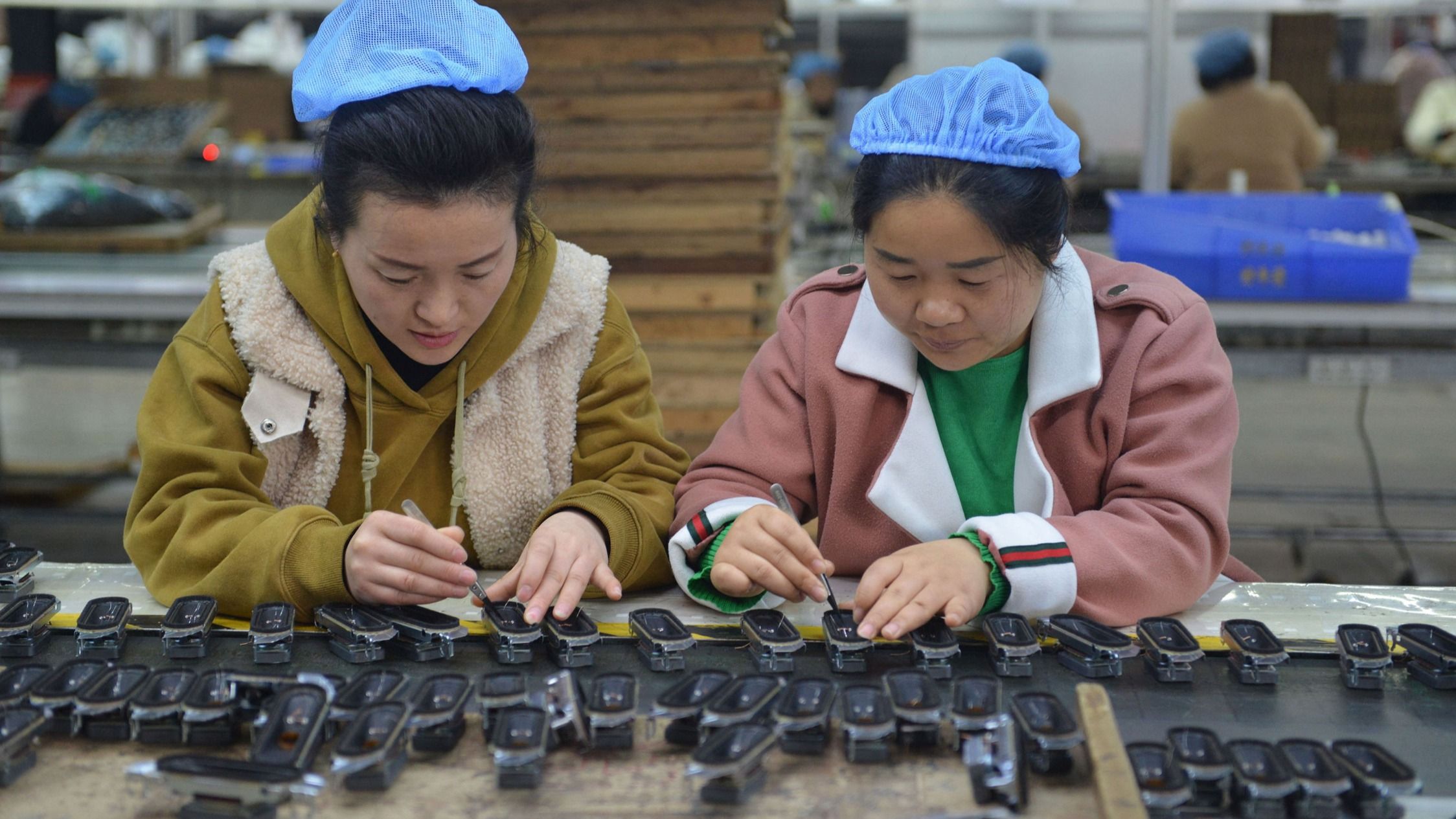
The official from Zambia claims that now that colonialism is history, Africa wants to gain more from that connection by giving itself the knowledge and abilities to retain more of the economic value from its abundant natural resources.
“We won’t keep serving as the traditional providers of raw resources. A growing population that seeks chances for respectable employment—which can only be attained through manufacturing and agro-processing—means that it will not be successful, according to him.
In an effort to combat climate change, the United States is attempting to strengthen its trading relations with Africa. Vice President Kamala Harris touted a US-funded initiative during a trip to Tanzania in March, calling it the “first-of-its-kind processing facility on the continent for minerals that go into electric vehicle batteries”.
Significantly, Tanzanians will soon process raw minerals there. The climate issue will be addressed, robust global supply networks will be built, and new businesses and employment will be created.
Chinese customs records show that China’s commerce with Africa last year reached a record $282 billion (£226 billion). That was an 11% increase from the prior year as the cost of commodities including iron ore, copper, cobalt, and oil skyrocketed. Additionally, it means that commerce between China and Africa is nearly four times as large as trade between the US and Africa, which totaled $72.6 billion.
[sourcelink link=”https://www.bbc.com/news/business-65649834″]