During the second World War, large-scale internment camps were a pretty grim reality in most countries, such as Nazi Germany, Soviet Union, the US and Japan.
One significant case was in territories under the Japanese Empire, especially in World War II, where majority of the people held in internment camps were usually from the US, England, and the Netherlands.
During World War II, from March 1942 to September 1945, the Japanese Empire took control of what is now Indonesia. This was a key event in Indonesia’s recent history.
Indonesia, which was a Dutch colony back then, became a key location for the Japanese Empire to build these camps. As it turns out, most of the folks in these camps were Dutch – pretty much like a home away from home, but not nearly as nice.
After the Japanese attacked Pearl Harbor on December 7, 1941, the Dutch declared war on Japan. The invasion of what was then known as the Dutch East Indies kicked off on January 10, 1942. The Imperial Japanese Army made light work of it, taking over the whole colony in less than three months. By March 8, the Dutch had thrown in the towel.
In the early days, the majority of Indonesians greeted the Japanese with open arms, seeing them as saviors from their Dutch overlords. This notion didn’t last for too long though. You see, the Japanese ended up recruiting between 4 and 10 million Indonesians as forced workers, or “romusha”. These poor folks were then made to work on economic and defense projects on the island of Java.
But the horror didn’t stop there. Up to half a million of these people were shipped off from Java to other islands, or even as far as Burma and Siam. Out of all those relocated from Java, the number of survivors when the war ended didn’t exceed 70,000.
A much grimmer fact is that the Japanese occupation of the Dutch East Indies resulted in the death of around four million people. This came as a result of the famine and forced labor, and included the loss of 30,000 European civilians who had been interred. Quite a dark chapter in Indonesia’s history.
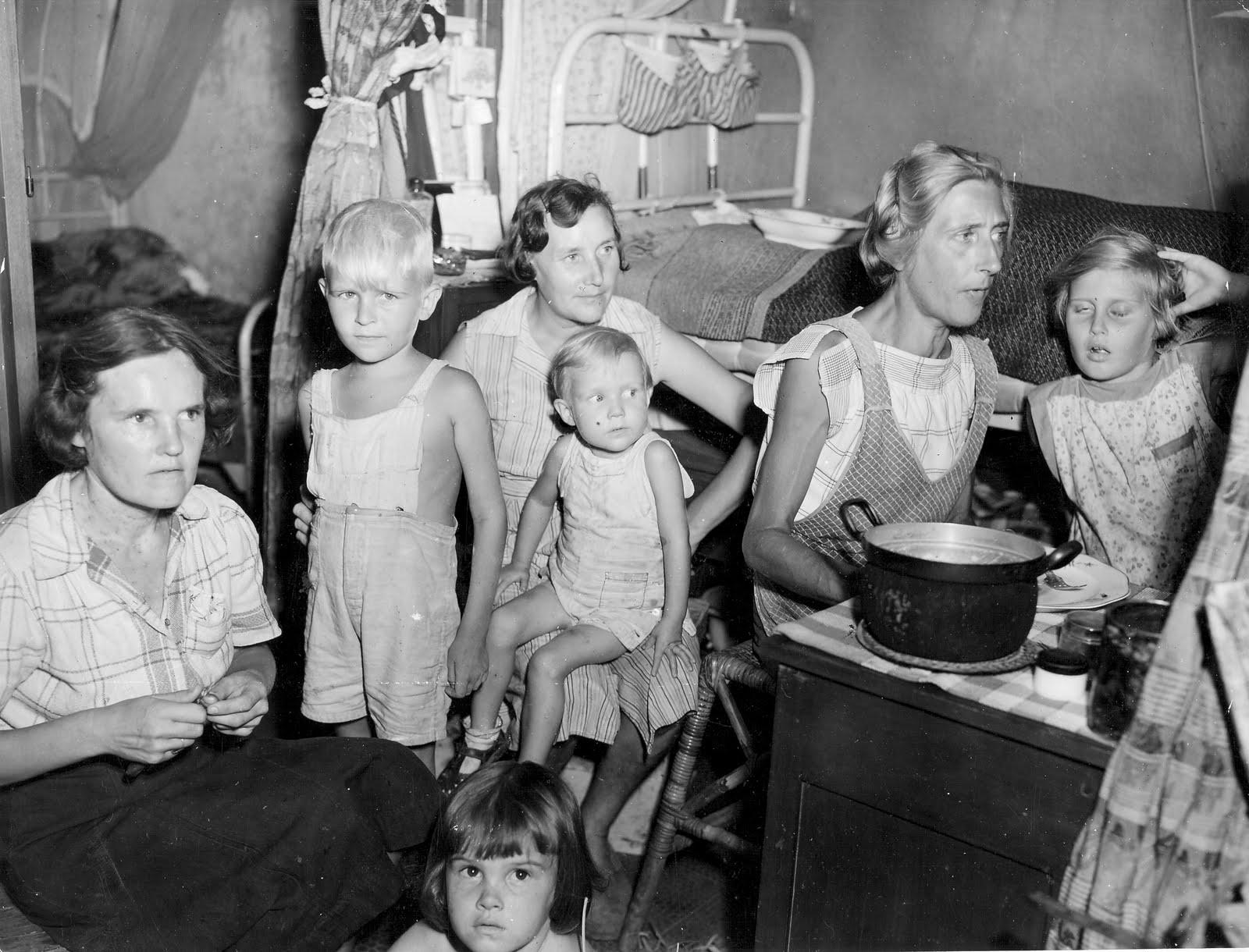
During Japan’s occupation of Indonesia, an estimated total of over 100,000 Dutch civilians were confined across the country, notably in areas of Sumatra and Java. Unfortunately, they received rough treatment from the Imperial Japanese army and it wasn’t by accident, as the bad treatment was part of Tokyo’s policy against enemy citizens.
Typically, the Dutch detainees had to take care of themselves while under the watchful eye of the Japanese military. Along with this, they usually had to deal with a range of abuses, including physical, sexual and psychological harm. Insanitary conditions and low-quality food also led to a spread of diseases among them such as diarrhea and dysentery.
Following the conclusion of World War II and the defeat of Japan, their situations didn’t get better instantly. Most of them ended up as prisoners in Indonesia, leading to a period of great uncertainty in their lives.