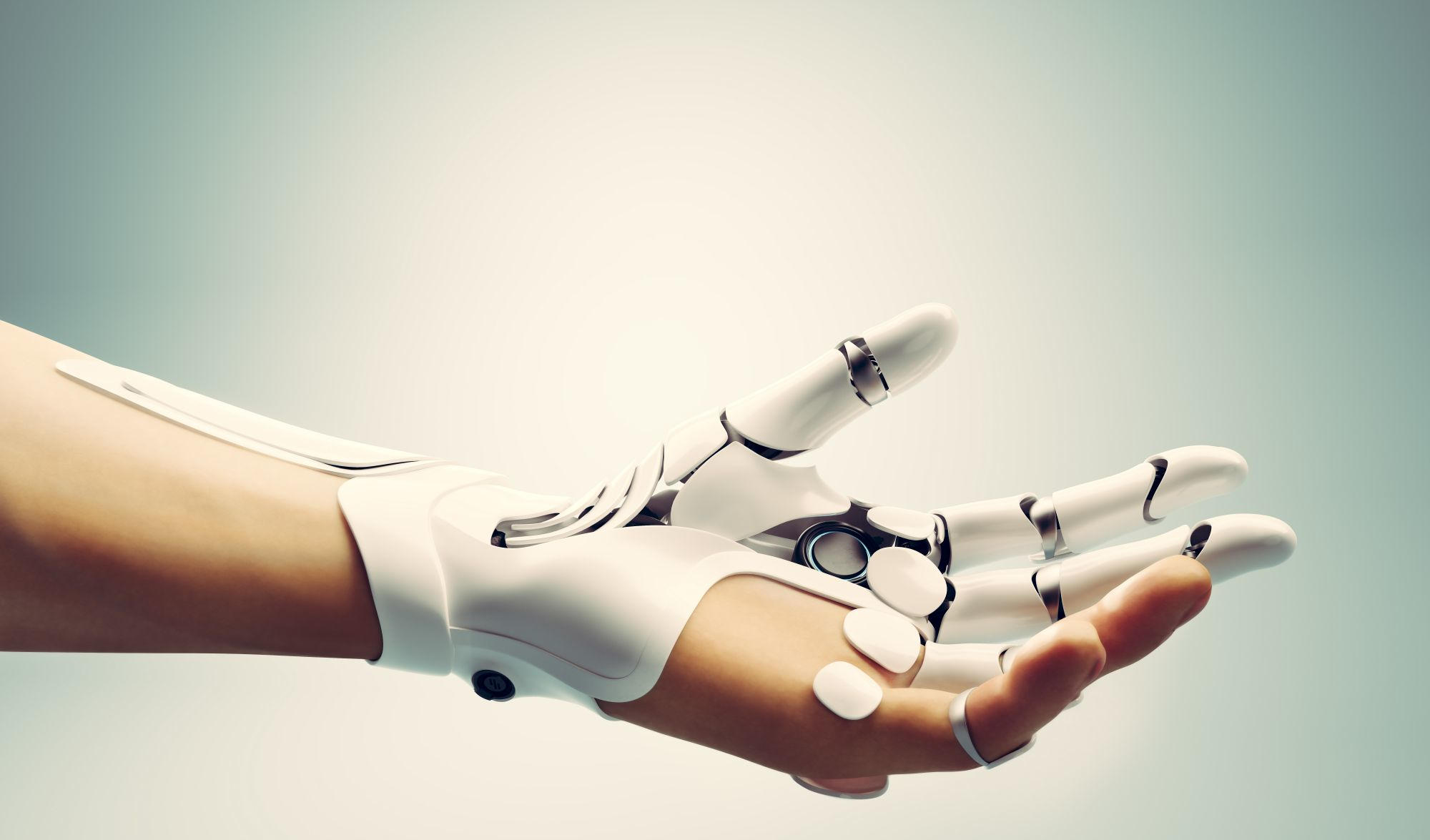
Biomedical and electrical engineers at the University of New South Wales (UNSW) have developed a new technique for detecting neural activity without the need of electricity, which might completely rethink medical technology like brain-machine interfaces and nerve-operated prosthetics.
The multidisciplinary team recently demonstrated in the lab what it had already theoretically demonstrated just before the pandemic, according to Professor François Ladouceur of UNSW’s School of Electrical Engineering and Telecommunications: sensors created using liquid crystal and integrated optics technology, dubbed “optrodes,” can detect nerve impulses in a living animal body.
Optodes, however, use light instead of electricity to detect brain signals, which eliminates impedance mismatch problems and reduces crosstalk.
According to Professor Ladouceur, “the great benefit of our method is that we can make this link very dense in the optical domain without paying the price that you have to pay in the electrical domain.”
Optrodes can be used to precisely monitor neuronal impulses as they travel down a nerve fiber in a living animal, as Professor Ladouceur and colleagues at UNSW recently sought to show. The Journal of Neural Engineering just published their findings.
Scienta Professor Nigel Lovell, Director of the Tyree Foundation Institute of Health Engineering, and Head of the Graduate School of Biomedical Engineering were on the research team that attempted to show this in the lab.
He claims that the team attached an optrode to an anesthetized animal’s sciatic nerve. Next, a little current was used to activate the nerve, and the optrode was used to record the neural signals. After that, they repeated the procedure using a regular electrode and a bioamplifier.
The team has so far been able to demonstrate that optrode technology can register nerve impulses, which are typically feeble and measured in microvolts. The next stage will be to scale up the quantity of optrodes to support intricate networks of excitable and nervous tissue.
[sourcelink link=”https://scitechdaily.com/a-new-dawn-for-prosthetics-engineers-light-the-way-to-nerve-operated-prosthetics-of-the-future/”]