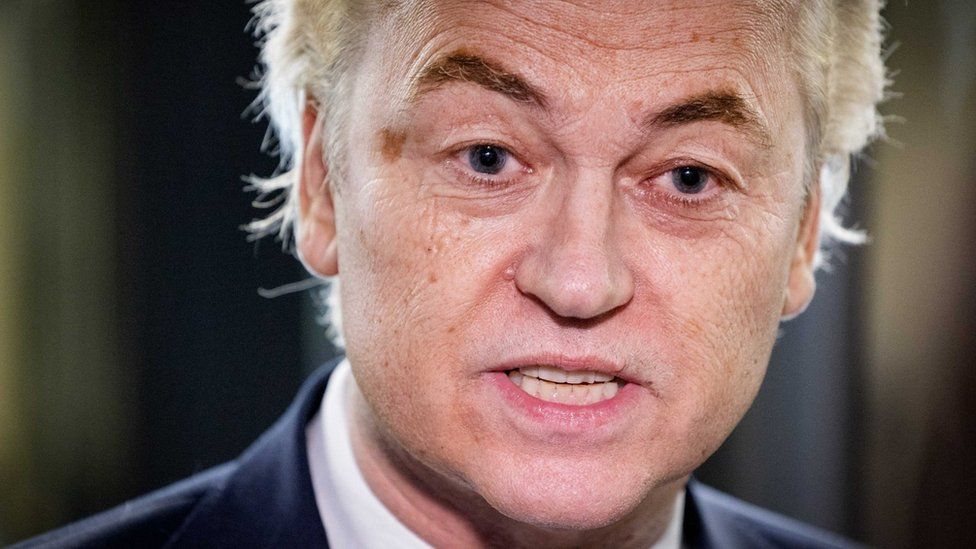
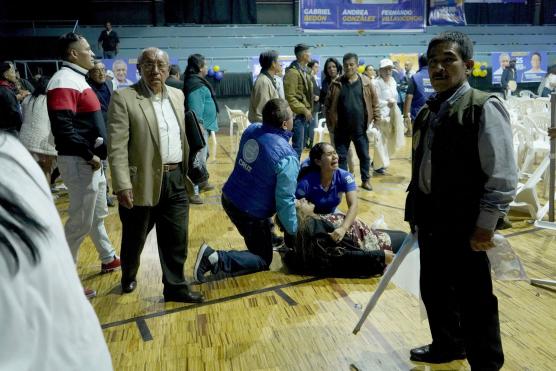
The Ecuadorian presidential contender, Fernando Villavicencio, known for his relentless crusade against corruption, was assassinated on the campaign trail on Wednesday. Villavicencio, a 59-year-old member of the National Assembly and an investigative journalist by profession, was vocal about the rampant corruption and violence engendered by drug trafficking in Ecuador.
In an interview with CNN En Espanol in May, he dubbed Ecuador a “narco state” and pledged to spearhead a battle against the so-called “political mafia” if he were elected. His staunch standpoints, along with his past work and future political ambitions, attracted numerous formidable adversaries.
The Pacific coast of Ecuador has observed the highest levels of violence due to conflicts amongst criminal groups aiming for drug control and distribution, predominantly cocaine.
Villavicencio, in a May interview with CNN en Espanol, noted, “Presently, Ecuador is under the control of Mexico’s Jalisco Nueva Generación and the Sinaloa Cartel, as well as the Albanian mafia.”
Last month, Fernando Villavicencio received threats from a gang known as Los Choneros, prompting the provision of a security detail for his protection, said a BBC report.
Following his assassination, a social media video emerged, showcasing men, heavily armed and masked, taking credit for the grisly act. These men assert affiliation with Los Lobos (The Wolves), a gang known to be at odds with Los Choneros.
Nonetheless, only a few hours later, an additional video surfaced on the internet. This time the video featured unmasked men who identified themselves as Los Lobos, denying any involvement in Villavicencio’s assassination. They alleged that the previous video was a machination by their rivals to implicate them in the murder.
The two gangs hold significant influence, and the violence they have instigated is a primary concern for Ecuador’s citizens in anticipation of the presidential elections on 20th August.
The late Mr. Villavicencio, a married man and father to five children, was amongst the eight initial candidates competing in the election. Despite not being the leading contender, he was positioned roughly in the middle in terms of poll rankings.